How Long Does It Take to Charge a Car Battery? A Complete Guide to Charging Times and Factors
In the world of car ownership, one of the most common questions drivers ask is: How long does it take to charge a car battery? Whether you’ve been on a long road trip and completely drained your battery or you simply need to top off a partially discharged one, understanding the charging process is crucial for planning your time and ensuring your battery performs optimally.
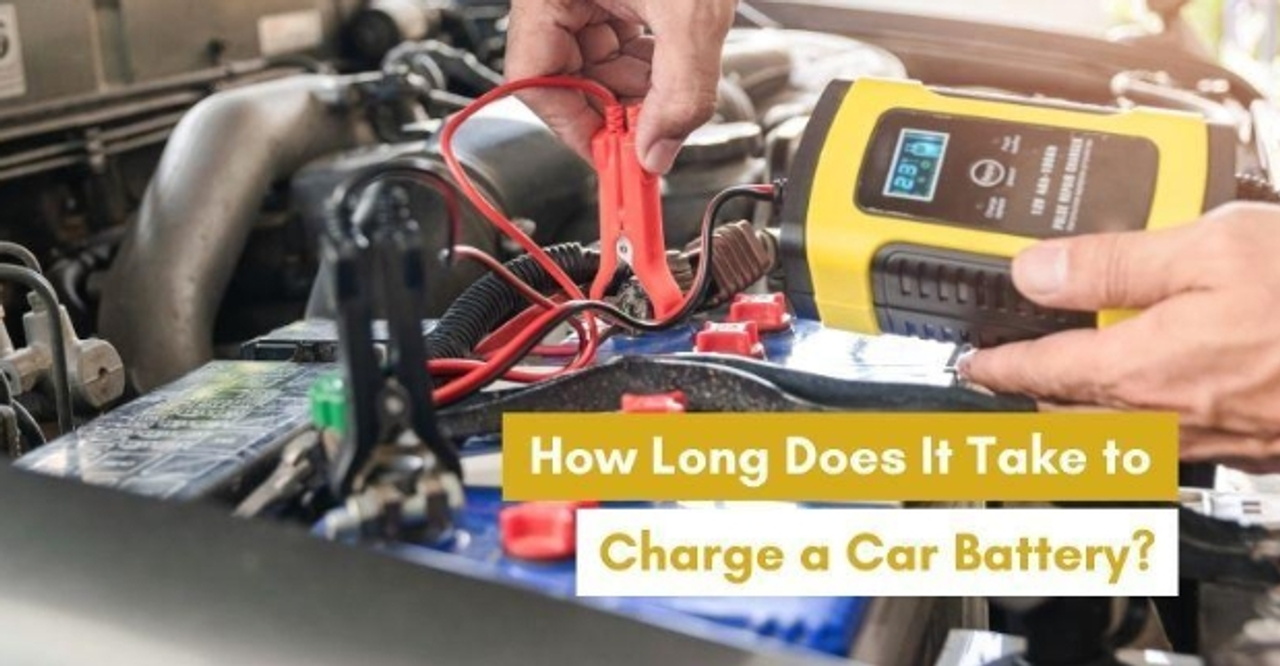
In this guide, we’ll cover the factors influencing charging time, typical charging durations, and choosing the right charger to suit your needs.
Key Factors Affecting Car Battery Charging Time
Several factors contribute to how long it takes to recharge your car battery. Here’s a breakdown of the key elements:
1. Battery Capacity (Ah)
Battery capacity, measured in amp-hours (Ah), directly impacts charging time. The larger the capacity of the battery, the longer it will take to recharge.
2. State of Charge (SoC)
The current charge level of your battery plays a big role in determining how long it will take to recharge. A fully dead battery will require more time to charge than one that's partially drained.
3. Charger Output (Amps)
The amperage of the charger is another important factor. Chargers with higher amperage output will recharge the battery faster. For example, a charger with a 10A output will be faster than one with a 2A output.
4. Battery Type
Different types of batteries—lead-acid, AGM, and lithium-ion—have different charging requirements, which can affect the time it takes to charge them fully.
Typical Charging Times for Car Batteries
The time it takes to charge a car battery varies depending on the charger you use and the battery’s condition. Here’s an estimate of charging times based on different charging amperages:
For a Standard 12V, 50Ah Car Battery:
· Slow Charge (2A charger): 25 hours
· Medium Charge (10A charger): 5 hours
· Fast Charge (20A charger): 2.5 hours
In general, if you’re using a 4A charger, it could take approximately 12 hours to fully recharge a 50Ah battery that’s been completely drained. This is based on the simple calculation of dividing the battery’s capacity by the charger’s output (50Ah ÷ 4A = 12.5 hours).
Real-World Factors Affecting Charging Time
While the above numbers provide a basic estimate, real-world conditions might alter the time it takes to charge your battery:
· Ambient temperature: Extreme temperatures can slow down the charging process.
· Battery age and condition: Older batteries or those that have suffered from damage may charge slower or hold less charge.
· Battery performance: Not all batteries are created equal—some are designed to charge faster or more efficiently.
To get a more accurate charging time, consider tracking your charging times over a few cycles and comparing them to the general estimates. This will give you a better understanding of your specific battery and charger combination.
Choosing the Right Car Battery Charger
For efficient and safe charging, investing in a smart car charger is a great idea. Modern smart chargers offer benefits like:
· Overcharge protection to avoid damage to your battery
· Multiple charging modes (slow, medium, fast) for different battery types
· Temperature monitoring to prevent overheating
When choosing a charger, always check the charger’s amperage and compare it to your battery’s capacity to ensure compatibility. If you're unsure which charger suits your needs, consult with a professional or contact customer service for advice.
FAQ
How long does it take to charge a car battery with a 12V charger?
· A 4A charger will take about 12 hours to fully charge a 50Ah battery. A 6A charger will reduce this to approximately 8 hours. The higher the amperage, the faster the charge.
Can a completely dead car battery be recharged?
· Yes, as long as the voltage hasn’t dropped too low for the charger to detect. Charging should be done slowly, ideally overnight, to safely bring the battery back to life.
Does a car battery charge while idling?
· Yes, but the process is slow. The alternator charges the battery while the engine is running, but you’d need to drive for hours to get a significant charge.
Conclusion
Knowing how long it takes to charge a car battery is key to understanding your vehicle’s energy needs and ensuring you're never left stranded. By considering factors like battery capacity, state of charge, charger output, and battery type, you can better estimate the time needed to recharge your battery and plan your trips accordingly. If you want safe and fast charging, a smart charger is the best choice for hassle-free battery maintenance.