What Is a BMS Battery? Complete Guide to Battery Management Systems for Safety and Performance
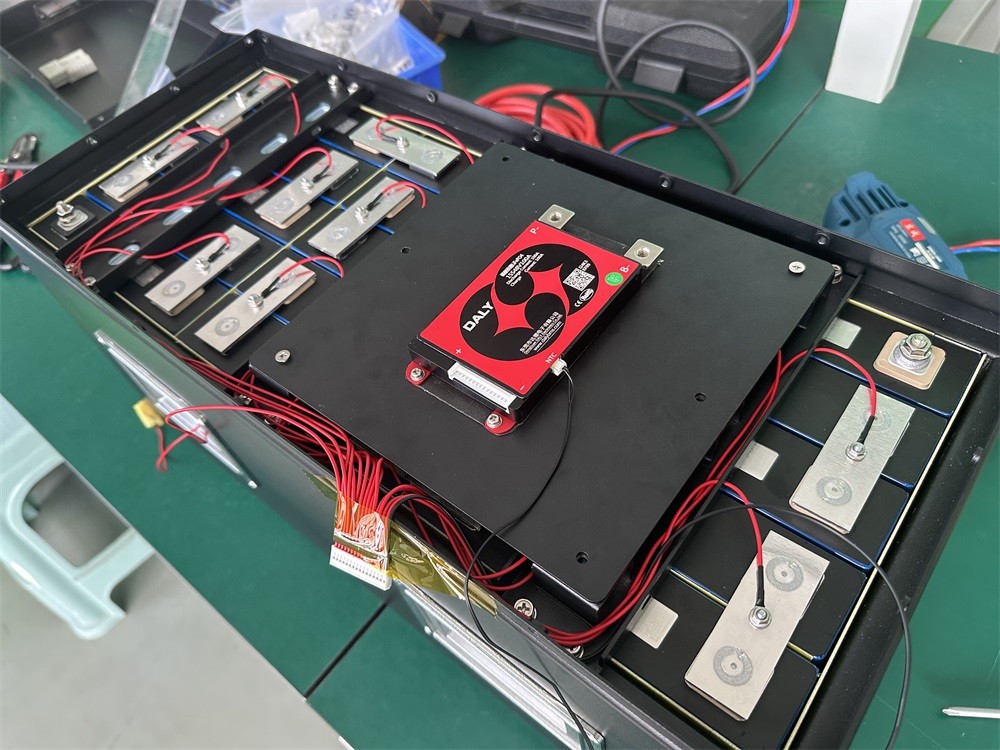
A Battery Management System (BMS) is the backbone of modern lithium battery technology. It ensures safety, enhances performance, and extends battery lifespan by continuously monitoring and regulating battery conditions. From electric vehicles to solar energy storage, BMS technology is essential for reliable energy systems.
What Is a BMS on a Battery?
A Battery Management System (BMS) is an electronic control system that manages rechargeable battery packs, especially those with multiple cells. It tracks voltage, current, temperature, and state of charge (SoC), ensuring the battery operates within safe limits.
Core Functions of a Battery Management System
Cell Monitoring
The BMS monitors each cell’s voltage and temperature in real time to prevent imbalances and detect potential failures early.
Cell Balancing
It ensures all cells charge and discharge evenly, maximizing battery efficiency and usable capacity.
Protection Mechanisms
The system prevents overcharging, over-discharging, overheating, and short circuits using advanced electronic controls.
State of Charge Estimation
A BMS calculates the remaining battery capacity, helping users manage energy consumption effectively.
Communication
Advanced BMS units communicate with external systems via CAN bus, Bluetooth, or UART for monitoring and diagnostics.
Do All Lithium Batteries Have a BMS?
Not all lithium batteries include a full BMS. Single-cell batteries often use basic protection circuits, while multi-cell systems like EVs and solar storage almost always require a BMS for safety and efficiency.
Why Is a BMS Required?
Safety: Prevents thermal runaway, fires, and explosions.
Longer Lifespan: Maintains optimal operating conditions.
Better Performance: Ensures balanced energy distribution.
Damage Prevention: Protects against deep discharge and overvoltage.
Do You Need a BMS for Each Battery?
A single BMS typically manages an entire battery pack. However, multiple independent battery packs each require their own BMS for proper monitoring and protection.
Can You Use a Lithium Battery Without a BMS?
Using a lithium battery without a BMS is not recommended for multi-cell systems due to serious safety risks and reduced battery life.
BMS vs Battery Controller
A BMS provides full monitoring, protection, and balancing, while a battery controller usually handles only charging or discharging functions.
Does a BMS Include a Fuse?
A BMS uses electronic protection (MOSFETs) rather than a physical fuse, though both are often used together in battery systems.
Can You Charge a Battery Without a BMS?
Charging without a BMS is risky because individual cell voltages and temperatures are not monitored, increasing the chance of failure or fire.
Can a BMS Prevent Overcharging?
Yes. A properly functioning BMS stops charging when voltage limits are reached, protecting the battery from damage.
How to Check If a BMS Is Working
Measure individual cell voltages
Use communication interfaces (CAN, UART)
Test protection features carefully
Check app or LED indicators
How to Choose the Right BMS
Match cell configuration (e.g., 4S, 16S)
Ensure correct voltage rating
Select appropriate current capacity
Confirm battery chemistry compatibility
Consider features like Bluetooth or CAN
How to Wake Up a Sleeping BMS
Apply a small external voltage or use a compatible charger to reactivate a battery in sleep mode.
How to Reset a BMS
Disconnect all connections, wait briefly, and reconnect the charger. Smart BMS systems may allow resets via apps.
How to Update BMS Firmware
Connect the BMS via USB, Bluetooth, or CAN bus and use manufacturer software to install updates safely.
Conclusion
A Battery Management System is essential for ensuring lithium battery safety, maximizing performance, and extending lifespan. Whether for EVs, solar storage, or portable electronics, a reliable BMS is critical for modern energy solutions.